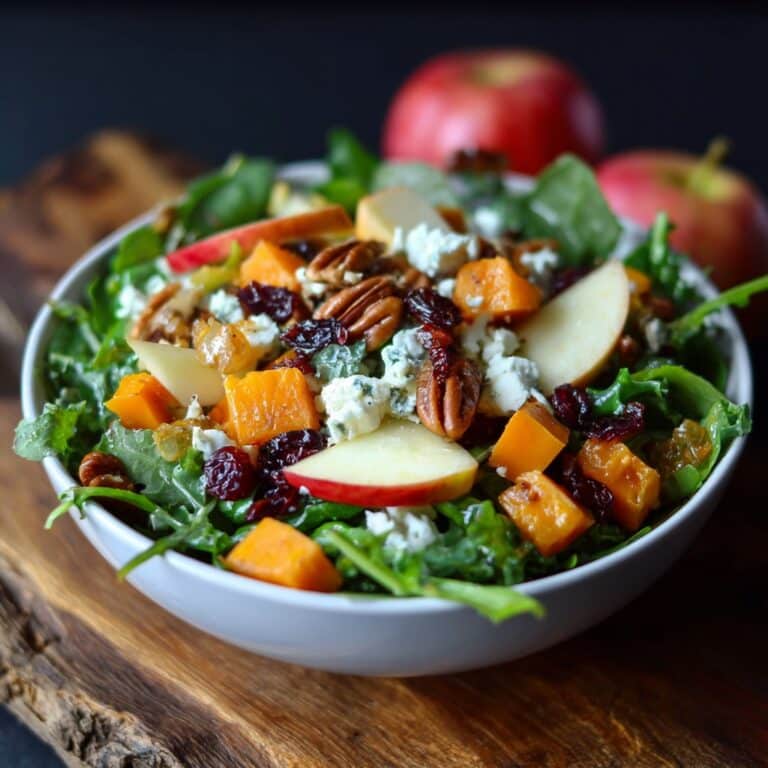
Winter Harvest Dinner Bowl
Alright, so I’ve been making this Winter Harvest Dinner Bowl every time the weather turns a bit grumpy (or, let’s be honest—when I find a stray butternut squash rolling around the kitchen). The first time I made it, my kids thought I’d invented some fancy restaurant meal—I mean, if a “bowl” is trendy enough to be on a menu, I’ll roll with it! And it’s one of those things where you just toss in whatever looks decent from the crisper. (One time I tried using parsnips. Wouldn’t recommend. Save those for soup!)
Why You’ll Love This—Or At Least, Why I Do
I usually whip this up when the only greens left in the fridge are a bit limp and I need to clear out some root veggies. My family goes a bit wild whenever I do this combo, especially the maple-roasted bits—never enough, honestly. Oh, and it all ends up in a bowl so I can eat it curled up on the sofa. Always a win. (Plus, let’s be frank, less washing up!)
What Goes in the Bowl?
- 1 small butternut squash (or sweet potato if that’s what you have—my aunt swears by the big orange jewel yams, but it’s not that deep)
- 2 carrots, peeled (unless you like them rustic, then just wash ‘em)
- 1 red onion, cut into wedges (white or yellow is fine, too)
- 1 beet, peeled and diced (or skip it if the red stains bother you—it can look a bit like a crime scene, but delicious!)
- 3 handfuls of kale, torn up (spinach will wilt fast but works in a pinch; or chard if you’re feeling posh)
- 1 cup cooked grains (quinoa, brown rice, farro—I go for whatever’s lurking in the pantry)
- 1/3 cup chickpeas, cooked (canned is fine; I won’t tell anyone)
- 2 tablespoons olive oil (though I’ve just drizzled whatever’s at hand when desperate)
- Maple syrup—just a big drizzle, maybe 1 tablespoon (honey works if your bottle’s empty and you don’t mind the swap)
- Sea salt + pepper
- Optional: Toasted seeds (pumpkin, sunflower) for crunch; goat cheese crumble for a bit of luxury; or pomegranate if you want pops of tart little flavor bombs
How I Throw It All Together
- Preheat your oven (400°F, or about 200°C). No need to be hyper-precise—just as long as it’s good and hot.
- Chop your root veggies into bitey pieces. Onto a big tray they go. Toss with olive oil, salt, pepper, and that maple syrup. Sometimes I add smoked paprika—depends on the mood.
- Slide them in the oven, give them about 30 minutes. Stir halfway (this is where I usually sneak a chunk to “taste test”). Don’t worry if the edges go a tad crispy. Better, actually.
- While that’s going, prep your grains. If you haven’t got leftovers, get them bubbling now. Or use a packet of microwave quinoa—no shame, I’ve done it loads.
- Wilt your greens with a splash of oil in a big pan—just for a couple minutes, til they’re glossy and just starting to shrink. Sometimes I forget them and they get a bit too dark, still tastes alright.
- Time to assembly! Pile some grains into a bowl, top with roasted goodness, scatter chickpeas, tuck in your wilted greens, and sprinkle with whatever extra toppings you have patience for.
- If you’re feeling fancy (or hungry), a fried egg on top makes it super hearty. My partner swears by a blob of Greek yogurt instead (I think it’s a texture thing).
Just a Few Notes—Stuff I Wish I’d Known Earlier
- If you cut the squash too chunky, it never cooks through in time and you’ll be chewing forever. Now I go a bit smaller—wiser form experience!
- Forget precooked grains? You can actually just double-up on roasted veg and skip them. Bit weird but hasn’t ruined dinner yet.
- If you hate kale (honestly, I get it), sautéed cabbage works. I’ve also tried spinach, but it just vanishes to nothing.
Some Bowl Variations I’ve Played With
- Added roasted Brussels sprouts—big hit, even with the kids. Didn’t expect that.
- Tried swapping in lentils for chickpeas. Tasted fine, but the texture was a bit mushier. Wouldn’t do that every time.
- Once, I tried roasting everything with curry powder. It was… interesting? Not my favorite. But, hey, nothing ventured nothing gained.
Equipment You Might Need (but Don’t Stress If You Don’t Have It)
- Baking sheet/tray—though I’ve used a pizza pan in a pinch (line it, trust me)
- Big frying pan for the greens
- Decent knife (my favorite is this budget chef’s knife, fyi—I finally caved and upgraded after years of sawing through onions)
- Bowl, preferably big; but I’ve eaten it from a mug, honestly (don’t recommend, but I was hungry)

Storing Leftovers—If There Are Any
Supposedly, you can keep leftovers for up to three days in the fridge (airtight, etc)—though honestly, in my house it never lasts more than a day! Sometimes the flavors meld and, actually, I think it’s better the next night.
How to Serve—Or, How We Usually Do
I like to set everything out family-style so people can build their own bowls—makes it kind of interactive, which is a dinnertime win (and less grumbling from picky eaters). Occasionally I add a little side of sourdough bread to mop up the saucy bits—highly recommend. For festive weekends, I’ve been known to pour an extra glass of cider, too.
My Hard-Learned Pro Tips
- I once tried rushing the roasting by cranking up the heat. Regretted it straightaway—just burned edges and raw middles. Take your time here.
- Actually, tossing everything with oil by hand (not just with a spoon) gets it way more evenly coated.
- Don’t skip the salt on greens! Plain wilted kale is, well, a bit sad.
Questions I Get Asked (And, Sometimes, Answer Poorly)
- Can I make this vegan? Yep, just skip the cheese and egg. Use whatever plant-based toppings you like. This link has some good vegan sauce ideas, actually!
- What’s the best grain to use? There’s no proper rule—quinoa’s a bit nutty, rice is cozy, farro is sometimes just too hard to find near me, so I rotate.
- Can you prep stuff ahead? For sure. I often roast extra veggies in the morning, then just reheat when hungry. Though, on second thought, the kale is nicest done last minute.
- I hate beets—do I have to include them? Nope, skip them. Add another carrot or toss in a handful of cherry tomatoes (from the greenhouse if you’re lucky enough to have one, which—I’m not).
- Why do my veggies stick to the tray? I sometimes forget to line the pan—parchment or foil helps, but even plain, a good drizzle of oil before roasting should rescue you.
Anyway—if you try this Winter Harvest Dinner Bowl, let me know how it goes. Or if you have a wild twist that actually works (unlike parsnips), send it my way. Happy winter munching!
Ingredients
- 1 cup cooked farro or brown rice
- 2 cups butternut squash, peeled and cubed
- 1 cup Brussels sprouts, halved
- 1 can (15 oz) chickpeas, rinsed and drained
- 2 tablespoons olive oil
- 1 teaspoon smoked paprika
- 1/2 teaspoon garlic powder
- Salt and freshly ground black pepper, to taste
- 1/4 cup tahini
- 2 tablespoons lemon juice
- 2 tablespoons water
- 1 small apple, sliced
- 2 tablespoons toasted pumpkin seeds
Instructions
-
1Preheat the oven to 425°F (220°C). Line a baking sheet with parchment paper.
-
2In a large bowl, toss the butternut squash, Brussels sprouts, and chickpeas with olive oil, smoked paprika, garlic powder, salt, and pepper. Spread evenly on the prepared baking sheet.
-
3Roast the vegetables and chickpeas for 30-35 minutes, stirring halfway, until golden and crispy.
-
4Meanwhile, whisk together tahini, lemon juice, water, and a pinch of salt to make the dressing. Adjust consistency with more water if needed.
-
5To assemble, divide cooked farro or brown rice among four bowls. Top with roasted vegetables, chickpeas, apple slices, and a drizzle of tahini dressing.
-
6Garnish with toasted pumpkin seeds and serve immediately.
Approximate Information for One Serving
Nutrition Disclaimers
Number of total servings shown is approximate. Actual number of servings will depend on your preferred portion sizes.
Nutritional values shown are general guidelines and reflect information for 1 serving using the ingredients listed, not including any optional ingredients. Actual macros may vary slightly depending on specific brands and types of ingredients used.
To determine the weight of one serving, prepare the recipe as instructed. Weigh the finished recipe, then divide the weight of the finished recipe (not including the weight of the container the food is in) by the desired number of servings. Result will be the weight of one serving.
Did you make this recipe?
Please consider Pinning it!!