Easy 2-Ingredient Cottage Cheese Bread (High-Protein & Low-Carb)
So, this is the bread I make when my brain’s half asleep…
Alright, let me just say this right off: I’m not really a baker. (Remember that time I tried a fancy sourdough starter and named it Marvin? Marvin, bless his bubbly heart, turned blue. No idea.) But even I can handle this ridiculous, two-ingredient cottage cheese bread, and I actually crave it on busy days. Plus, my nephew once thought I did something magic—because who expects bread with cottage cheese? Oh, and it’s the kind of thing you can throw together in your pajamas with zero guilt. Or at least that’s what I do.

Why You’ll Love Making This (Yes, Even If You’re Hangry)
I make this when I need something high-protein but, you know, don’t want to wash 11 bowls. My partner goes wild for it, especially when it’s warm and barely holding itself together (and there’s butter in reach, obviously). I’ve also brought it to a couple of last-minute brunches—once after forgetting to hit the grocery store—and everyone assumed I spent way more time on it than I did; not going to correct them, honestly. The best part? No yeast tantrums.
What’s In It? (And How Grandma Insisted It Should Be)
- 1 cup cottage cheese (any fat works, but I usually use the 4% stuff—it’s just creamier. My grandma? Only bought the one in the little glass jar, but I swear even the big tub is fine.)
- 2 cups self-raising flour (or, heck, regular all-purpose with a fat pinch of baking powder—maybe 2 teaspoons if you’re asking for precision, but honestly, I’ve done both in a pinch… once when I ran out and didn’t even notice)
Optionals but fun:
Handful of grated sharp cheddar, some chives, or a pinch of salt if you want it less bland. I even tried a hot sauce swirl once—that was… brave.
How I Throw It Together (Don’t Sweat the Technique)
- Preheat your oven to 180°C (that’s 350°F for the folks not using Celsius). I almost always forget this and have a mad dash mid-mixing.
- Dump the cottage cheese and flour into a bowl. I use my biggest mixing bowl—mostly because it was clean. Stir it up with a spoon or your hand. Don’t get precious; it’ll look messy, kind of like biscuit dough that got caught in the rain.
- If you’re adding anything extra (cheddar! herbs!), now’s the time to get wild. Gently fold it in, unless you like streaks (which, some days, I do.)
- Plop the dough onto a parchment-lined small loaf tin—or a baking tray if the tin’s MIA. Press it in roughly. No smoothing necessary.
- Bake for about 35–45 minutes. At 35 minutes, I poke the top—if it feels set and there’s a golden hint, you’re golden too. If it seems pale or a tad soggy, leave it in for an extra few. (Once I pulled it early and had to eat it with a spoon; lesson learned.)
- Let cool a smidge—5–10 minutes at least. This is where I usually sneak a taste and burn my tongue, but I have no regrets.
What I Wish I Knew (Aka Things I Figured Out the Hard Way)
- The dough’s stickier than you’ll expect. I tried flouring my hands and the bench, but… just embrace the mess, honestly.
- If it seems too dry, add a spoon of yogurt/milk/whatever, or a splash of water. If too wet, just bake it longer. Simple.
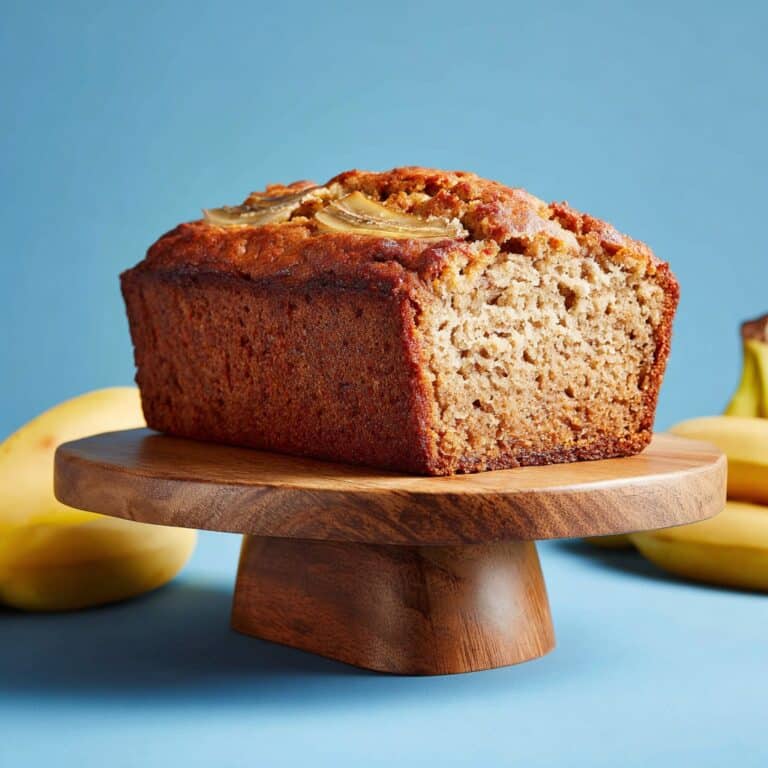
- It slices neater the next day, but (real talk) I rarely have leftovers to test this much.
Variations I’ve Actually Tried (And One Mild Disaster)
- Greek yogurt instead of cottage cheese—worked but a bit tangier. Not mad about it, though.
- Added black pepper and fresh rosemary (fancy, right?). This was lovely but, next time, I’ll use more—could barely taste the rosemary.
- Tried mixing in sun-dried tomatoes, but honestly, it made it weirdly soggy. Would not repeat. Live and learn.
- Chopped jalapeños for something with a bang. Family was divided, but I’m on Team Heat.
Don’t Have All the Equipment? Me Neither (Sometimes)
Listen, a loaf tin’s nice, sure. But on a baking tray, just form it into a fat oval—call it rustic, it’s still bread. No stand mixer needed, just a wooden spoon (or heck, your hand is a tool, right?).
Storing This Stuff (Not That You’ll Need To)
Wrap leftovers in a tea towel or stash in a container. It’ll keep on the counter a day or two, in the fridge maybe three—though honestly, in my house it never lasts that long. I once tried freezing slices, and it was alright, but the texture gets a bit odd (still makes good toast, though).
How I Serve It (And One Quirky Tradition)
I love it sliced thick with salted butter (sometimes mashed avocado if I’m feeling extra). My sister slathers honey on hers—different strokes, right? Sometimes I’ll pair a warm chunk with soup if I’ve accidentally made the bread before figuring out dinner.
Lessons from My Goofs (Pro Tips, Kinda)
- Don’t rush the bake, or you’ll end up with raw dough hiding in the middle—been there, not great.
- I once tried to mix everything too aggressively, thinking it’d get fluffier. No, just gummy.
- After burning the bottom once, I started using parchment paper. Game changer. Or foil, in a pinch—just oil it up first.
Real Questions I’ve Been Asked (Some Silly, Some Not)
- Can I use whipped cottage cheese? Yup! Actually, it’s even easier to mix. Or at least your arm won’t fall off.
- What if I don’t have self-raising flour? Just regular flour plus baking powder, no biggie. Add a pinch of salt too.
- Is it gluten-free? Well, not as written, but you could try with one of those gf blends—I’ve only tried once, and it was… okay, but definitely denser.
- Can I double the recipe? I do it all the time (sometimes by accident). Just use a bigger tin or two small ones.
- Will it taste like cottage cheese? Sort of? It’s subtle—more tangy than cheesy. But in a good way (I think so anyway).
- Why did my loaf come out flat? Probably poked at it too much, or forgot the baking powder, or maybe just bad bread luck. Happens to the best of us!
Okay, now I’ve rambled on and made myself hungry. Give it a go, and let me know if you end up tweaking it! Maybe next week I’ll share my famous (aka often-overcooked) breakfast hash…
Ingredients
- 1 cup cottage cheese, full-fat or low-fat
- 4 large eggs
- 1/2 teaspoon baking powder
- 1/4 teaspoon salt
- 1 tablespoon olive oil (plus extra for greasing)
- 1 tablespoon psyllium husk powder (optional, for texture)
- 1/2 teaspoon garlic powder (optional)
- 1/2 teaspoon dried herbs (optional, such as oregano or basil)
Instructions
-
1Preheat the oven to 350°F (175°C) and grease a loaf pan with olive oil or line it with parchment paper.
-
2Add the cottage cheese, eggs, baking powder, and salt to a blender or food processor. Blend until completely smooth and creamy.
-
3If desired, add psyllium husk powder, garlic powder, and dried herbs for extra texture and flavor. Blend again until combined.
-
4Pour the batter into the prepared loaf pan and smooth the top with a spatula.
-
5Bake for 30 minutes, or until the bread is golden brown and a toothpick inserted into the center comes out clean.
-
6Allow the bread to cool in the pan for 10 minutes, then remove and cool completely before slicing. Enjoy!
Approximate Information for One Serving
Nutrition Disclaimers
Number of total servings shown is approximate. Actual number of servings will depend on your preferred portion sizes.
Nutritional values shown are general guidelines and reflect information for 1 serving using the ingredients listed, not including any optional ingredients. Actual macros may vary slightly depending on specific brands and types of ingredients used.
To determine the weight of one serving, prepare the recipe as instructed. Weigh the finished recipe, then divide the weight of the finished recipe (not including the weight of the container the food is in) by the desired number of servings. Result will be the weight of one serving.
Did you make this recipe?
Please consider Pinning it!!