Salted Honey Cookies
Let’s Chat Salted Honey Cookies (And a Few Kitchen Rambles)
Ever have one of those days where your sweet tooth and your salty snack craving start arguing in your head? That’s basically how Salted Honey Cookies ended up in my recipe box. I remember the first time I made ’em—it was late, I was supposed to be prepping for a big holiday, but instead, I’d gone fully rogue and started tinkering with whatever I had in my pantry (raises hand, guilty as charged). One taste and, honestly, I forgot about every other cookie for a solid week. These are those rare cookies that hush a room, and the first bite usually wins me a few new kitchen fans.
Funny aside: One time the cat decided to jump up on the counter mid-bake and I’m still not sure why she was fascinated with sticky honey, but hey, even she approved. So, shall we bake?
Why I Keep Making These (And Maybe You Will, Too)
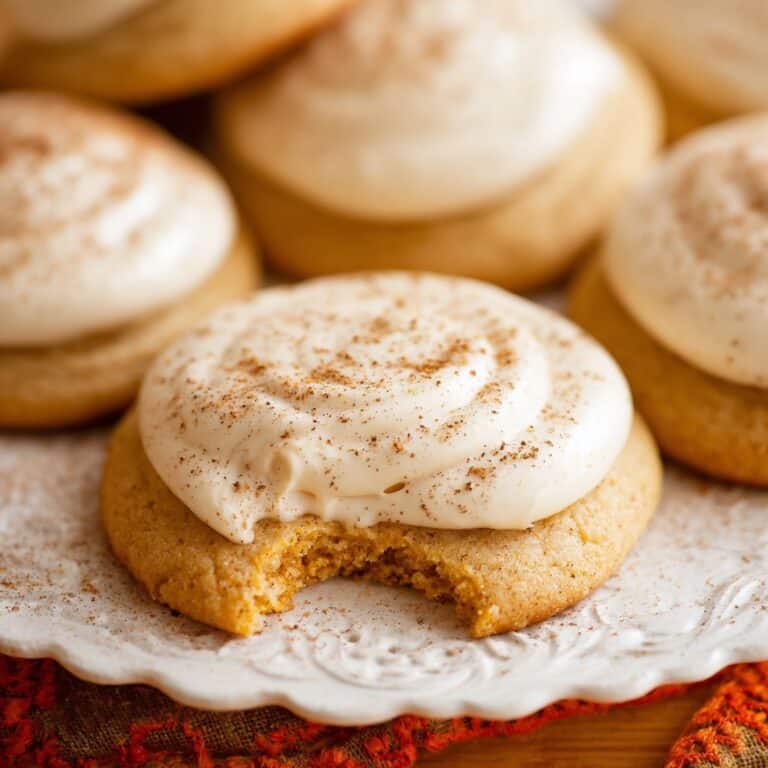
I make these when I want a treat that feels fancy but takes almost zero faff. My family goes absolutely bananas for ’em (well, maybe not literally, that’s a different cookie). I’ll whip these up on stormy days when the house feels gray, or just when I need something extra for the lunch boxes. Oh, and if you’re weary of cookies that end up dry or taste like cardboard—don’t worry. These are chewy in the middle, crisp at the edges, with little zingy flakes of sea salt that always make my mum swoon (she’s probably reading this and blushing, sorry mum).
The only thing to watch out for: Honey’s a bit sticky and can get everywhere, but I promise the mess is worth it. I also used to think sea salt on cookies was weird, but honestly, it makes these pop.
What You’ll Need (Plus, Some Cheeky Substitutions)
- 1/2 cup (115g) unsalted butter, softened (my grandmother swore by Kerrygold, but any you like works fine)
- 1/2 cup honey (runny honey works best—the cheap supermarket stuff is fine, though local wildflower is magic)
- 1/3 cup brown sugar (light or dark, or sometimes I just throw in a handful of raw sugar if that’s all I’ve got)
- 1 large egg (or, in a pinch, a flax egg but honestly, the texture’s different)
- 1 1/2 cups all-purpose flour (whole wheat if you’re feeling virtuous, but results may vary)
- 1/2 tsp baking soda
- 1/2 tsp baking powder
- 1/2 tsp table salt (plus flaky sea salt for sprinkling, more on that later)
- Optional: 1/2 tsp vanilla extract, zest from one lemon (never hurts for extra zing)
How I Make ‘Em (Don’t Stress If It’s Messy)
- Preheat your oven to 350°F (175°C). If you forget and have to wait, join the club—I do this every time.
- Cream butter and brown sugar together in a bowl until it looks pale and fluffy. (I sometimes cheat and just mash it with a fork if the mixer’s still in the sink.)
- Pour in your honey. It’ll make an oozy mess; just go with it. Beat in your egg and vanilla (and lemon zest if using). This is when it might look split or funny—fret not, it comes together later.
- In a separate bowl, mix your dry stuff: flour, baking soda, baking powder, and salt. Dump it in the wet bowl and mix until there’s just a bit of flour left showing. Actually, I find it works better if you stop mixing sooner rather than later; over-mixed cookies get tough. Fold it gently and let a few streaks be.
- Scoop the dough onto a parchment-lined tray (I use about a tablespoon per cookie, but who’s counting?). Space them out, they do spread. I usually use two trays or bake in batches if I’m feeling patient.
- And here’s the good bit—sprinkle a teeny pinch of flaky sea salt on each cookie. Don’t skip this. More than once I’ve forgotten and, well, half the magic goes missing.
- Bake 8-10 minutes, just ‘til the edges look golden, but the middle’s a little soft. Don’t overdo it—they’ll keep setting as they cool. (This is when I hover awkwardly near the oven and sneak tastes form the edge—hot, but irresistible.)
- Let ‘em cool for at least 5 minutes before scooping onto a rack. Or just eat one warm. No judgment.
Notes (‘Cos I Learned These the Hard Way)
- If your honey’s cold or crystalized, zap it in the microwave for 10 seconds before measuring—otherwise you’ll spend ages scraping it out of the spoon.
- Cookies will look puffy straight out of the oven and then flatten a bit. This is normal. Actually, I like them better the next day but rarely do they last.
- Salt flakes: I’m partial to Maldon, but any brand is fine, honestly. Table salt just doesn’t have the same magic here.
Variations I’ve Tried (And a Few Oopsies)
- Swapped in coconut oil for butter once—not bad, but a bit more cake-y and, weirdly, they stuck to the paper more.
- Added a pinch of ground ginger for a little warmth; surprisingly good with honey.
- Tried a gluten-free flour blend, and the cookies went mostly flat and sad. Tasted fine, but texturally… eh, not my fave.
Kit You’ll Need (And Where I Improvise)
- A stand mixer is handy, but honestly, I just use a bowl and wooden spoon more often than not.
- Baking trays and parchment paper—though if you run out, well-greased foil works (just a wee bit stickier).
- A cookie scoop is nice for even balls, but two spoons and not over-thinking it works just fine.

Keeping Them Fresh (But, Honestly…)
Store these in an airtight tin or container on the counter. They’ll stay soft and chewy for two or three days, though honestly, in my house they never last more than a day! (I do hear they’re freezable, but… can’t confirm firsthand.)
How We Serve ‘Em (Or: My Family’s Odd Habits)
Serve them warm with a mug of tea—my aunt insists on Earl Grey, but I’m partial to chamomile. Sometimes we sandwich two cookies with a smear of whipped cream which, yes, is decadent, but oh so good for birthdays or days when the weather’s dreary.
Lessons Learned (AKA: My Cookie “Aha!” Moments)
- Don’t rush the creaming; once I tried using barely-softened butter, and my cookies came out lumpy and a bit sad.
- Seriously do NOT overbake. I got distracted by a phone call once and returned to what basically looked like honey-flavored roof tiles.
Curious? Some FAQs I Actually Get
- Can I use salted butter instead? Totally! Just skip the added salt in the dough. Though maybe don’t go wild with extra sea salt on top.
- Is there a vegan option? You can try swapping the butter with a vegan stick and use a flax egg, but it bakes up a little differently—still good, just not quite the same chew. Some of my pals actually link to Minimalist Baker for a base vegan cookie if you want to riff from there.
- Why did my cookies spread so much? Most times that’s from too-warm butter or a hot kitchen. Try chilling the dough for half an hour if your place is toasty.
- What honey tastes best? Honestly, whatever you like! Clover’s sweet and light, wildflower honey’s a bit more complex. I sometimes check this Serious Eats honey guide if I’m feeling fancy.
And, just between you and me, don’t be afraid to play—cookies are forgiving (plus, even the wonky batches rarely go uneaten). Somewhere, there’s someone who’ll love the crispy edges best; I’m just saying.
Ingredients
- 2 cups all-purpose flour
- 1/2 teaspoon baking soda
- 1/2 teaspoon fine sea salt
- 1/2 cup unsalted butter, softened
- 1/2 cup granulated sugar
- 1/4 cup honey
- 1 large egg
- 1 teaspoon vanilla extract
- Flaky sea salt, for sprinkling
Instructions
-
1Preheat the oven to 350°F (175°C). Line a baking sheet with parchment paper.
-
2In a medium bowl, whisk together the flour, baking soda, and fine sea salt.
-
3In a large bowl, beat the softened butter and granulated sugar until light and creamy. Add the honey, egg, and vanilla extract, mixing until well combined.
-
4Gradually add the dry ingredients to the wet ingredients, mixing just until incorporated.
-
5Scoop tablespoon-sized portions of dough onto the prepared baking sheet, spacing them 2 inches apart. Sprinkle each cookie with flaky sea salt.
-
6Bake for 10–12 minutes, or until the edges are golden. Let cool on the baking sheet for 5 minutes, then transfer to a wire rack to cool completely.
Approximate Information for One Serving
Nutrition Disclaimers
Number of total servings shown is approximate. Actual number of servings will depend on your preferred portion sizes.
Nutritional values shown are general guidelines and reflect information for 1 serving using the ingredients listed, not including any optional ingredients. Actual macros may vary slightly depending on specific brands and types of ingredients used.
To determine the weight of one serving, prepare the recipe as instructed. Weigh the finished recipe, then divide the weight of the finished recipe (not including the weight of the container the food is in) by the desired number of servings. Result will be the weight of one serving.
Did you make this recipe?
Please consider Pinning it!!